


Mauritius National eHealth System (Digital Health Systems Strengthening Portfolio)
Origin language: English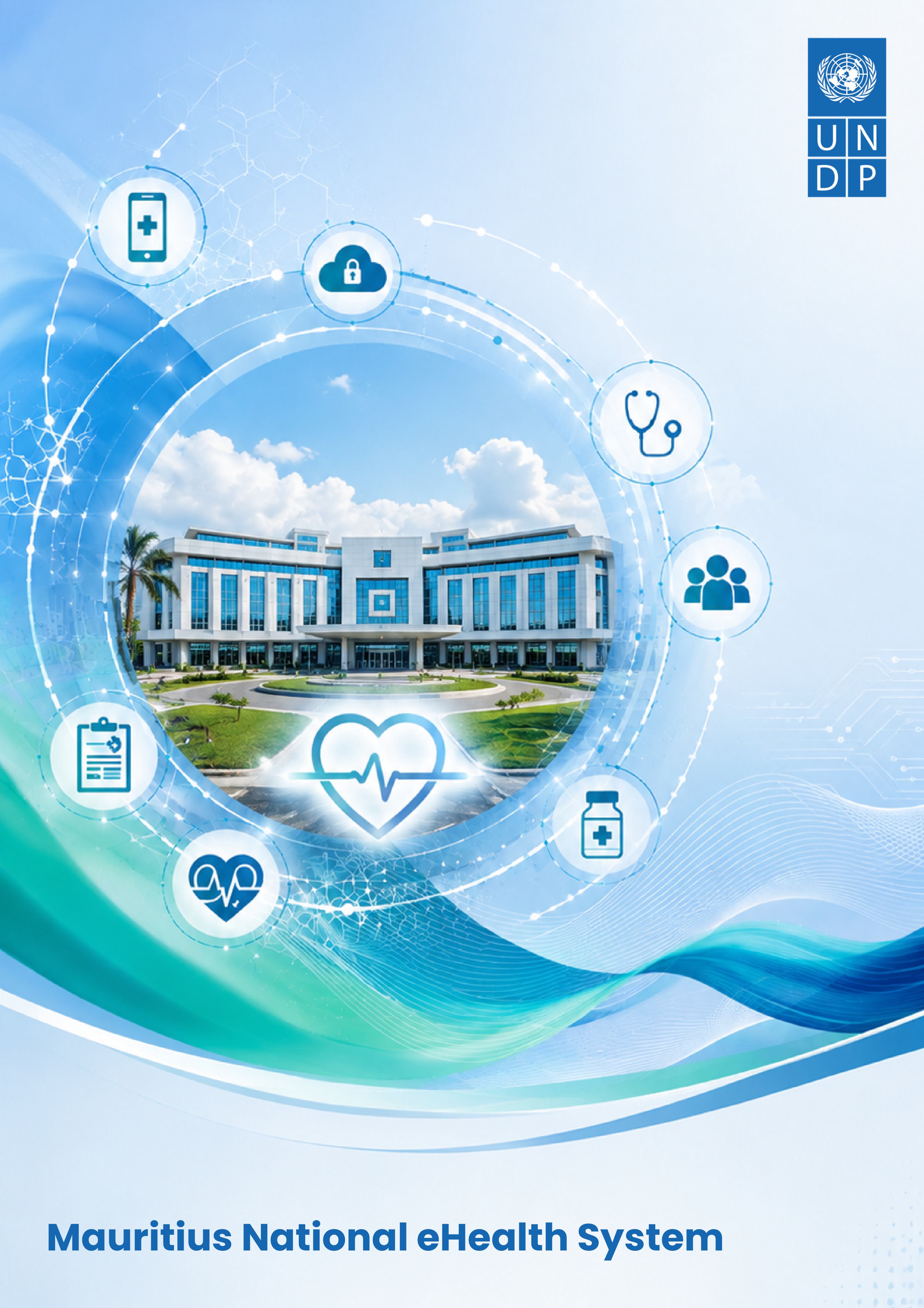
The Mauritius National eHealth System is a Government of Mauritius and UNDP-supported national digital health transformation programme designed to modernize healthcare delivery through integrated digital technologies. The initiative establishes a secure and interoperable health ecosystem connecting hospitals, laboratories, blood transfusion services, healthcare providers, and patients through a unified digital platform.
The programme includes implementation of a Patient Administration System (PAS), Patient Portal and Mobile Application, Blood Transfusion System (BTS), Reporting and Analytics Platform, Electronic Health Record capabilities, interoperability services, cybersecurity controls, disaster recovery mechanisms, and a national Digital Health Architecture Blueprint. The project supports the vision of “One Patient, One Record” while enabling evidence-based decision-making, improved quality of care, operational efficiency, patient empowerment, and stronger health system resilience.
The initiative is being implemented nationally across public healthcare facilities and forms a cornerstone of Mauritius’ digital transformation agenda and long-term health sector modernization strategy.
The implementation of the national eHealth programme involved managing the complexity of digital transformation across a large and diverse healthcare ecosystem. Key challenges included transitioning from paper-based to digital workflows, ensuring alignment across multiple stakeholder groups, and adapting existing processes to support new digital ways of working.
Variations in infrastructure readiness and digital maturity across healthcare facilities required phased implementation and capacity-building efforts. Establishing interoperability between different health information systems and ensuring compliance with data protection, privacy, and cybersecurity requirements also required significant planning and coordination. As with many large-scale digital transformation initiatives, change management, user adoption, workforce training, and maintaining operational continuity during implementation were important considerations throughout the project lifecycle.
Strong leadership, stakeholder engagement, and a phased implementation approach were important factors supporting successful implementation. Early involvement of end users, healthcare professionals, technical teams, and decision-makers helped foster ownership, align expectations, and support adoption of digital solutions. Readiness assessments and phased deployment strategies helped identify priorities, manage risks, and optimize resource allocation.
Establishing a clear digital health strategy, enterprise architecture, and interoperability framework provided a strong foundation for scalability, sustainability, and future integration. The use of internationally recognized standards and best practices supported data exchange, system interoperability, and long-term system evolution. Iterative testing, user training, continuous feedback mechanisms, and capacity-building activities contributed to progressive improvement throughout implementation.
The project highlights the importance of combining technology deployment with governance, workforce development, change management, data governance, and cybersecurity. A clear patient-centred vision helped maintain stakeholder alignment and provides valuable lessons for other countries undertaking large-scale digital health transformation initiatives.

