


National Telemedicine Network for Stroke Care – Republic of Moldova
Origin language: English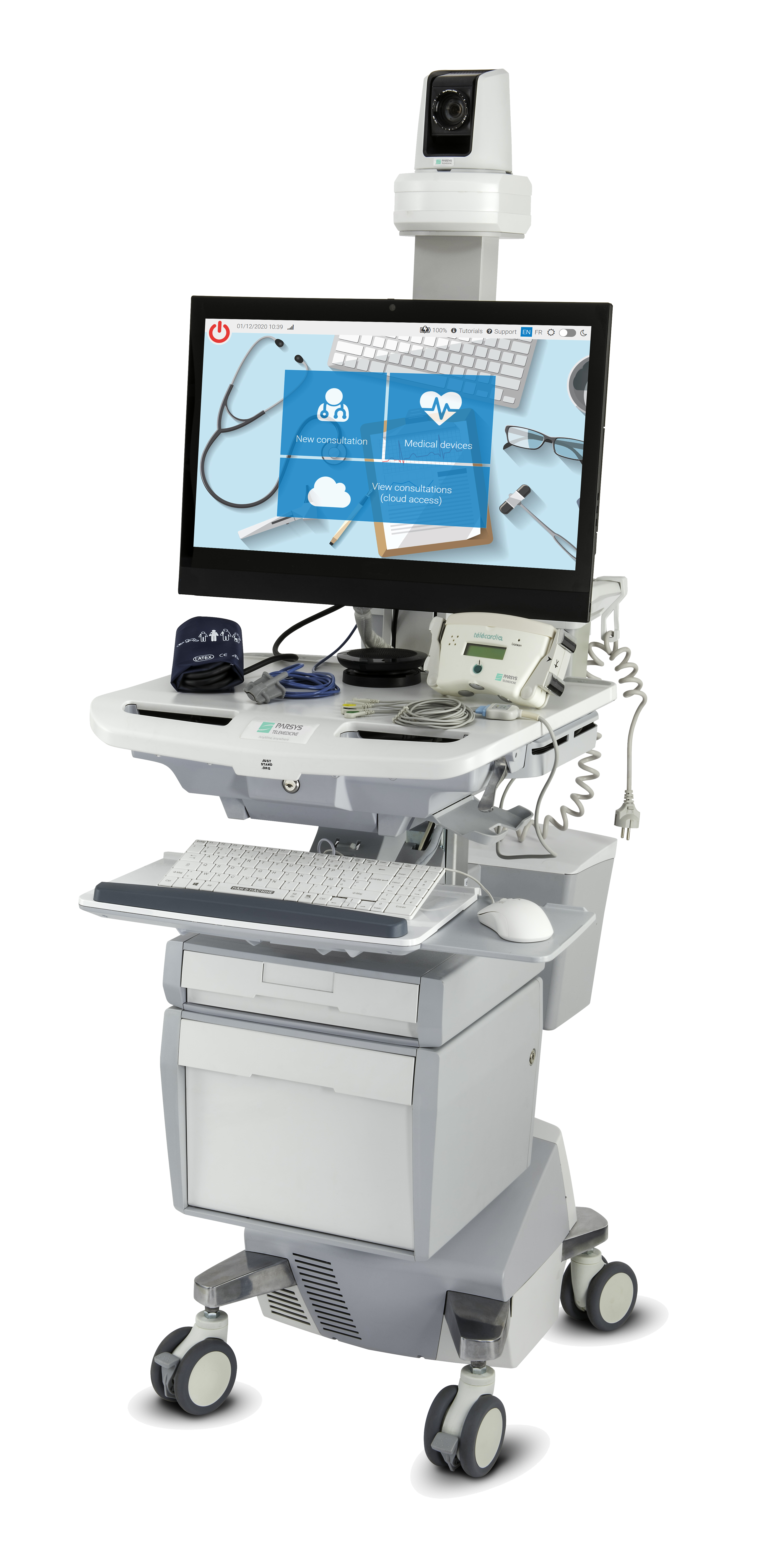
The project supports Moldova’s National Stroke Treatment Network by enabling telemedicine-based collaboration between specialized stroke centers across the country. The national network comprises 13 stroke centers, including 11 primary centers and two advanced referral centers in Chișinău, and was developed with support from the Ministry of Health, the World Health Organization and Switzerland.
Telemedicine equipment deployed across the network enables healthcare professionals in regional centers to obtain remote specialist neurological expertise, share clinical information and support rapid decision-making for patients presenting with acute stroke. This model helps bring specialist care closer to patients outside major urban centers, strengthens coordination between primary and referral centers, and supports timely decisions regarding thrombolysis, thrombectomy and patient transfer.
The telemedicine component forms part of a broader transformation of stroke care in Moldova launched in 2023–2024. Reported national results demonstrate substantial improvements in access and treatment: the average time from stroke symptom onset to hospital admission decreased from 905 minutes in 2023 to 423 minutes in 2024, while intravenous thrombolysis procedures increased from 64 in 2023 to 226 during January–September 2024.
The project primarily benefits adults and older people experiencing stroke, while also supporting healthcare professionals working in regional hospitals. Its objective is to improve equitable access to specialist stroke expertise, accelerate clinical decision-making and strengthen coordination across Moldova’s national stroke referral pathway.
Key challenges included ensuring rapid coordination between regional stroke centers and referral hospitals in a time-critical clinical pathway, integrating telemedicine into existing stroke workflows, and maintaining consistent access to specialist expertise across the national network. The project also required training healthcare professionals to use telemedicine equipment effectively and to incorporate remote consultation into clinical decision-making. Technical reliability, connectivity, equipment maintenance and secure transmission of medical data were important operational requirements. More broadly, sustaining a nationwide network required continued coordination between the Ministry of Health, WHO, funding partners, hospitals and technology providers, as well as long-term planning for maintenance, training and service continuity.
Key success factors included strong national leadership from the Ministry of Health, close collaboration with WHO and Swiss Cooperation, and implementation through an existing national stroke-care strategy rather than as a standalone digital project. Equipping regional centers with telemedicine tools while simultaneously training healthcare professionals helped integrate remote specialist consultation into routine clinical workflows. Clear referral pathways between primary stroke centers and advanced centers in Chișinău supported rapid decision-making and continuity of care. For scalability and sustainability, key practices include maintaining national governance, standardized clinical protocols, continuous workforce training, reliable technical support and equipment maintenance, and routine monitoring of teleconsultation activity and clinical outcomes. Embedding telemedicine within the broader stroke network also facilitates replication across additional emergency and specialist care pathways.

