


IeDA (The Integrated e-Diagnosis Approach)
Origin language: English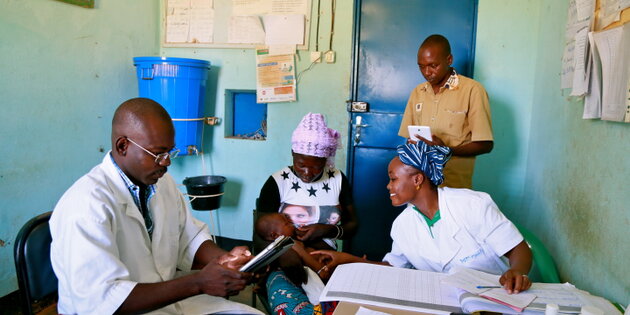
The Integrated e-Diagnosis Approach (IeDA) is a digital health solution that supports primary health care workers in West Africa and Asia to improve the quality of care for newborns, children and their mothers. IeDA was initially developed by Tdh and the Burkina Faso Ministry of Health. It has enabled the WHO's Integrated Management of Childhood Illness (IMCI) medical protocol to be digitalized. The data is analysed with a view to improving the quality of care and informing policy-makers. IeDA is now being extended to other countries and to other protocols that guide clinical consultations for pregnant women and newborns.
What used to be a pilot project in 2010 in one district in Burkina Faso is now a major technological achievement. By the end of 2022, IeDA has been deployed in 86% of all primary health centers in Burkina Faso and in more than 60 health facilities in Mali, Guinea and Niger. IeDA is also deployed in more than 470 healthcare facilities in the district of Jharkhand in India. Thousands of health professionals use IeDA for their daily work performing more than 350,000 consultations every month. This is a major achievement, especially in rural areas, as IeDA contributes to the accurate diagnosis and adequate treatment of diseases of children below 5 years old. Thanks to an extensive network of partnerships, Tdh has enriched IeDA with new features, and now IeDA is available to guide consultations on antenatal and postnatal care, post-abortion care and family planning.
The goal of IeDA is to make good quality health care sustainable in West Africa and beyond. In Burkina Faso, the London School of Hygiene and Tropical Medicine and the Johns Hopkins School of Public Health undertook several evaluations of IeDA and demonstrated significant improvements in quality of care, a high acceptance of the approach from all levels of the health system and operational cost reduction after basic investments. Health centres equipped with the IeDA tool use it in 90% of consultations for children under five.

