


SysRef / SANU-TD
Origin language: English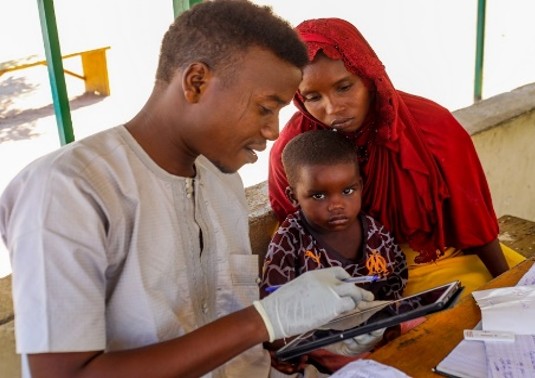
SysRef/SANU-TD is a digital tool designed for pediatric and maternal care, offering a patient record (Vaccination/ANC/PNC) and clinical decision-support system in refugee camps in Chad. Originally named SysRef, which stands for "digital SYStem for REFugees," it has transitioned to SANU-TD, meaning "Santé Numérique au Tchad." The primary objective of this tool is to enhance the quality of primary healthcare consultations for children under five and pregnant/post-partum women within these camps. The health focus areas include communicable diseases, sexual and reproductive health, primary health care, and maternal and child health. Though initiatives for adult health and mental health (based on mhGAP) were developed, they have not yet been implemented. The target population primarily consists of children under five and pregnant women.
- Algorithm’s design had to be weighted between its complexity and the usability of the end product.
- Some point-of-care tests (POCTs) included in the clinical algorithms and supporting decision-making were frequently out of stock. The lack of confirmation of clinical diagnosis may have increased the referrals and generally reduced the CDSS’ added value of evidence-based support.
- Since treatment was recommended based on the use of diagnostic tests and these were frequently unavailable, this limited treatment recommendations. These was addressed by shifting to a syndromic approach for prescription (based on symptoms rather than diagnostic tests).
- Referral was not effective due to a dysfunctional continuum of care (health centres were better equipped in terms of infrastructure and skilled health professionals than the district hospital).
- Avoid having algorithms that are too complex, to keep the number of items to answer per consultation as short as possible while maintaining quality and safety.
- Conduct assessment and analysis of the target population’s health using different sources instead of mainly routine health data
- Apply a symptom- and syndromic-based approach to facilitate the detection and management of lesser-known conditions
- Conduct appraisal of health management and services, infrastructure, technology, workforces and skills, and guidelines before starting.

