


ImTeCHO 2.0 powered by MEDplat
Origin language: English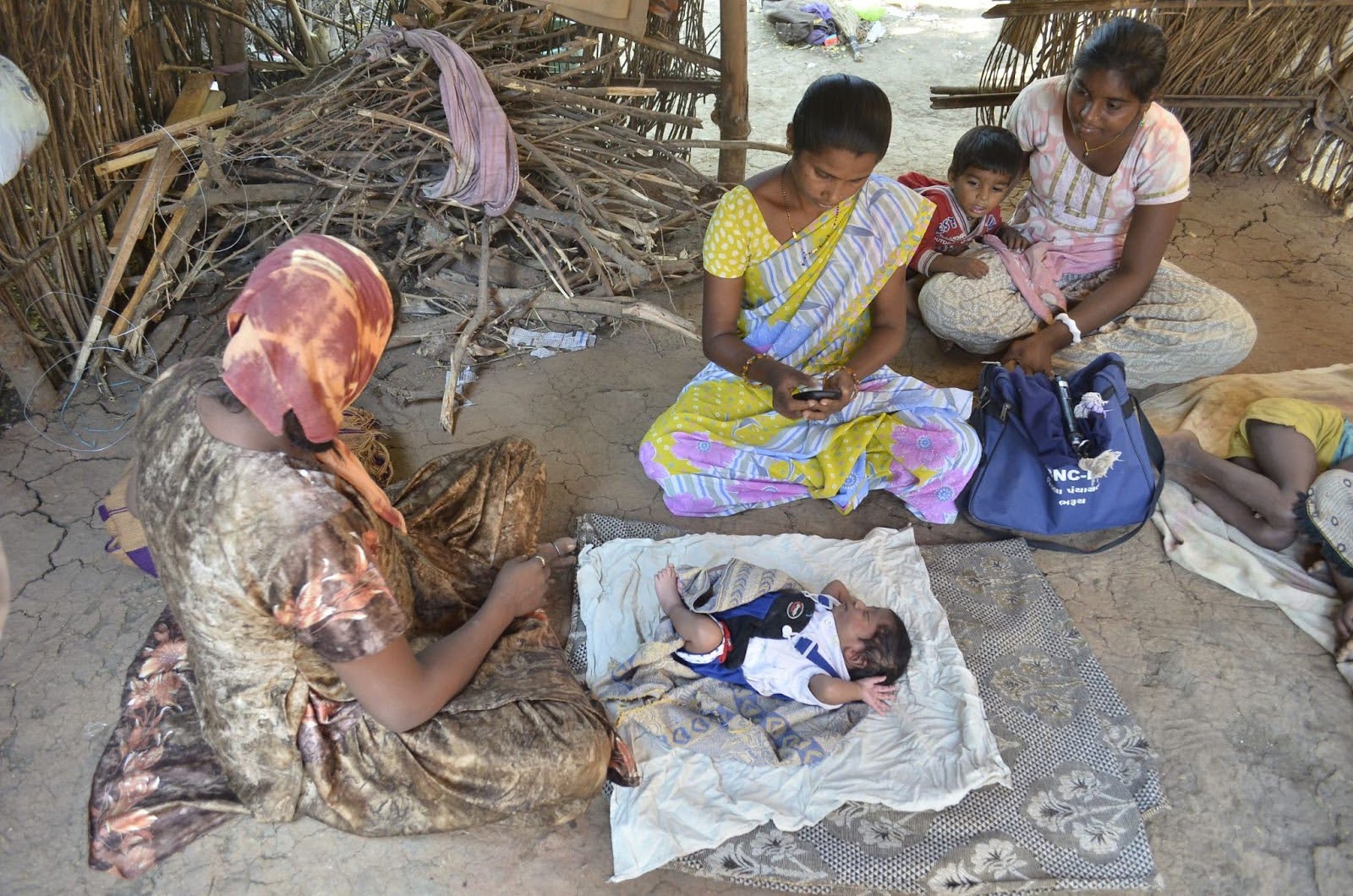
Country
India
Coverage
Regional
Nb of implementation sites
12
Lead organization
Implementation partners
N/A
Health Focus Area
Cancer
Mental health
Non-communicable diseases (NCDs)
Ophthalmology
Primary Health Care
Health promotion
Services
Decision Support
Geographic Information Systems (GIS)
Community-based information systems
Electronic medical record
Predictive health and early diagnosis
Learning and training
Public health and disease surveillance
Enabling technologies
Low Code - No Code
Phone
Software
Cloud Computing
Standards
ICD-10
HL7 FHIR
SNOMED
LOINC
JSON
Tools
Funding sources
Donors
Research grants
Business model
Others
Funders
Summary
India is experiencing a rising incidence of chronic diseases such as hypertension and diabetes, particularly in underserved tribal areas. The current healthcare delivery system is often limited and reactive, emphasizing clinic-based care without sustained engagement or collaboration. The ImTeCHO 2.0 project aims to bridge these gaps by implementing a community-centered, integrated approach to healthcare, leveraging digital technology and trained personnel.
The project includes several key components:
1. Population Enumeration: Health workers conduct door-to-door surveys to identify and list individuals aged 40 and above for disease screening.
2. Screening for Non-Communicable Diseases (NCDs): Village-Level Health Workers (VHWs) screen for hypertension and diabetes.
3. Confirmation and Diagnosis: Care Coordinators (nurses) carry out follow-up assessments, while Medical Officers (MOs) confirm diagnoses and initiate treatment.
4. Screening for Complications: Regular screenings for complications related to eyes, kidneys, and feet are conducted using basic diagnostic tools during health camps.
5. Community-Based Management: Monthly village clinics provide local access to healthcare, facilitate follow-ups by Care Coordinators and MOs, and include on-site medicine distribution and lifestyle counseling.
6. Health Promotion and Awareness: Initiatives such as Arogya Melas and the formation of Arogya Samitis promote preventative measures and lifestyle changes within the community.
7. Digital Health Technology: Utilizes real-time patient tracking, alerts, and decision-support tools.
8. Mortality Surveillance: Conducts verbal autopsies to ascertain causes of death.
Additional aims of the project involve ensuring comprehensive community-based care for individuals with severe mental health conditions through early detection and psychosocial support, delivering palliative care to bedridden individuals with regular home support, and providing thorough antenatal and postnatal care for mothers and newborns. Pregnant women are also screened for sickle cell disease, with counseling services offered to couples regarding prenatal options.
Target health focus areas include Non-communicable Diseases (NCDs), Primary Health Care, Cancer, Ophthalmology, Health Promotion, and Mental Health, aiming to serve diverse populations such as the elderly, families, health professionals, individuals with disabilities, and the general rural and urban population.
Keywords
Clinical care
Community health service delivery
Continuity of care
Community health workers
Decision support
Publications
Insights - Lessons learnt
Challenges
Before I share challenges, I should appreciate that a good foundation is laid for future work. We all have a great opportunity to build on this foundation in the years to come in the interest of the communities. Few non-technology challenges: 1. Lack of awareness among patients about the importance of health problems leads to high rates of lost to follow-up. 2. Lack of good quality referral facilities in the vicinity of the project area. 3. Inadequate capacity of the health providers to manage complicated cases. 4. Inadequate data-driven supervision. Few technology related challenges 1. Slower than expected speed of software development and customisation. 2. Unexpected errors and bugs slowing down the work. 3. Not been able to be fully paper-free. Record keeping is still a mix of paper and digital, and is not satisfactory. 4. Occasionally, communication gap leading to everybody not being on the same page about the requirements. 5. User interfaces are not optimally user-friendly. 6. Medical officer interface is completely web-based right now.
Recommendations
Recommendations for the program team of SEWA Rural: 1. Design and deploy programs for improving community awareness to reduce the lost to follow-ups. 2. Consider starting a satellite centre to manage complicated cases at Dediyapada. 3. Optimise the use of video calls and teleconsultations. 4. Improve the clinical capacity of health providers and add more qualified health clinical providers. 5. Develop sustainable processes for quality assurance, such as building more courses on the learning management system for the new recruitment and documentation of positive case studies 6. Optimise the role of village-based health workers for data entry and reduce the dependency on paper registers 7. More monitoring based on reports and data Recommendations for the technology team 1. Provide more resources for faster development. 2. Reduce the communication gaps by reducing the multiple levels of communication for requirement gathering. 3. Integrate a telemedicine platform in Medplat. 4. Develop a minimum package and features for NCD. 5. Develop an offline mobile application for medical officers 6. Improve quality control to match with requirements. 7. Improve user interfaces to make them user-friendly. 8. Use of ambient artificial intelligence to seamlessly receive inputs based on audio inputs.
Recommendations
Projects using similar services
Projects focusing on similar topics
Projects with similar insights
iDHA (Project ID)
gtfe2c
Project links
https://care.sewarural.orgOrigin of information
Project stakeholder
Data source link
N/AAdded to the platform on
2025-05-06
Project editors
Last update by
Aziza Merzouki on 2025-05-09
Number of views
211
WHO classifications

