


Saytù Haemophilia: An educational chatbot for People with Haemophilia in Sub-Saharan Africa
Origin language: English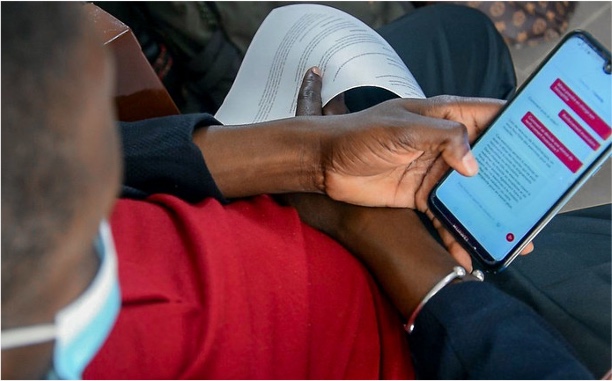
Country
Cote d'Ivoire
Gambia
Senegal
Kenya
Coverage
International
Nb of implementation sites
N/A
Lead organization
Implementation partners
Health Focus Area
Non-communicable diseases (NCDs)
Services
Learning and training
Enabling technologies
Artificial Intelligence
Standards
N/A
Tools
N/A
Funding sources
Donors
Business model
N/A
Funders
N/A
Summary
Saytù Haemophilia is an innovative AI-powered chatbot aimed at improving the understanding and management of haemophilia in Sub-Saharan Africa. It addresses educational gaps for people living with haemophilia by providing easily accessible, curated information in multiple languages, including French, Wolof, and English, with plans to incorporate more languages in the future. By mimicking human interaction, Saytù Haemophilia creates a supportive communication channel for individuals affected by the condition. The tool focuses on enhancing knowledge about haemophilia, with the goal of significantly improving awareness on the disease. The chatbot offers information on various domains such as the disease transmission, bleeding aetiology, the treatment options or the prevention of associated risks as examples.
Additionally, it intends to address other major chronic diseases in the region, particularly non-communicable diseases (NCDs).
Keywords
Education
Local languages
Artificial intelligence
Knowledge
Publications
Unravelling the knowledge, beliefs, behaviours and concerns of Persons with Haemophilia and their carriers in SenegalDesign, development and usability of an educational AI chatbot for People with Haemophilia in SenegalInsights - Lessons learnt
Challenges
N/A
Recommendations
N/A
Recommendations
Projects using similar services
Projects focusing on similar topics
Projects with similar insights
iDHA (Project ID)
xash1x
Project links
N/AOrigin of information
Project stakeholder
Data source link
N/AAdded to the platform on
2025-01-23
Project editors
Last update by
Awa Babington-Ashaye on 2025-01-23
Number of views
273
WHO classifications

