


TeCHO+ powered by MEDplat
Origin language: English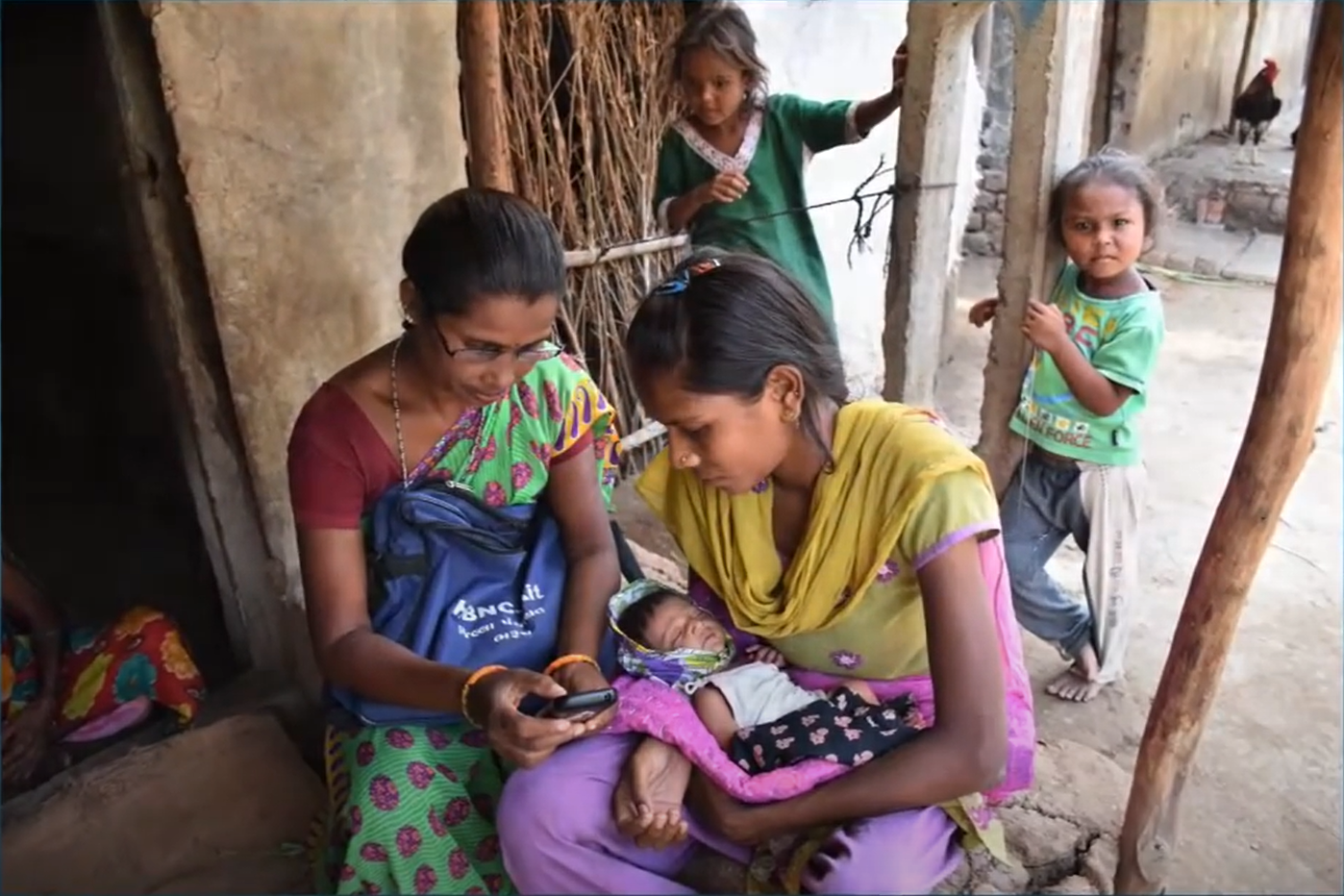
Country
India
Coverage
Regional
Nb of implementation sites
14925
Lead organization
Implementation partners
Health Focus Area
Sexual and Reproductive Health
Primary Health Care
Cancer
Vaccination / Immunization
Health promotion
Maternal and child health
Mental health
Non-communicable diseases (NCDs)
Services
Learning and training
Decision Support
Electronic medical record
Public health and disease surveillance
Community-based information systems
Predictive health and early diagnosis
Immunization
Geographic Information Systems (GIS)
Enabling technologies
Low Code - No Code
Software
Phone
Cloud Computing
Standards
ICD-10
HL7 FHIR
JSON
SNOMED
Tools
Funding sources
Government funds
Others
Donors
Business model
Others
Funders
Summary
TeCHO+ is an innovative digital health solution built on MEDplat, designed to enhance Reproductive, Maternal, Newborn, and Child Health (RMNCH) services. It is fully compliant with the Ayushman Bharat Digital Mission (ABDM) and focuses on streamlining workflows for healthcare workers like ASHAs and ANMs by prioritizing tasks, generating alerts, and alleviating administrative burdens. Serving over 65 million people through more than 60,000 healthcare workers, TeCHO+ integrates seamlessly with national platforms such as RCH, RBSK, and the Education department.
Key Benefits:
- Reduced Administrative Burden: Minimizes redundant data entry, allowing healthcare workers to dedicate more time to patient care.
- Intelligent Workflows & Triaging: Features decision support to prioritize high-risk cases, ensuring timely follow-ups and interventions.
- Automated Alerts/Reminders: Improves health outcomes with customized service reminders.
- Integrated Digital Health Records: Offers real-time access to patient histories, reducing reliance on paper documentation.
- Educational Tools: Provides IEC materials and videos to boost community engagement and awareness.
- Real-Time Data Analytics: Dashboards furnish insights for informed decision-making.
- Automated Reporting & Compliance: Streamlines report preparation while adhering to national health guidelines.
- Continuity of Care: Guarantees follow-up care for pregnant women, mothers, and children through automated tracking.
- Improved SDG3 Indicators: Effects positive advancements in maternal and child health metrics over four years.
- End-to-End Solution: Seamlessly connects health service delivery across diverse programs.
TeCHO+ aims to reduce the administrative workload of healthcare workers by 30% by 2025 and ensure full enrollment of eligible beneficiaries in state health programs by 2026. The initiative also seeks to achieve 100% immunization coverage and decrease missed follow-ups by 40% by 2025 through AI-driven automation and tracking. Enhanced data analytics will empower healthcare professionals to improve healthcare planning and resource allocation while contributing to a significant reduction in maternal and infant mortality through proactive risk identification and improved service delivery. The target population includes adolescents, adults, families, newborns, individuals with disabilities, urban and rural dwellers, women, pregnant women, and children under five.
Keywords
Community health service delivery
Primary care health workers
Maternal health
Child health
Public health
Publications
Cost-Effectiveness of mHealth Intervention (TeCHO+) for Improving Maternal and Child Health Indicators in Gujarat, IndiaAddressing comprehensive primary healthcare in Gujarat through mHealth intervention: Early implementation experience with TeCHO+ programmeDoes Digitally Enabling Frontline Health Workers Improve Coverage and Quality of Maternal and Child Health Services? Findings From a Mixed Methods Evaluation of TECHO+ in GujaratInsights - Lessons learnt
Challenges
Resistance to Change – Many ASHAs/ANMs were initially hesitant to adopt the digital platform due to unfamiliarity with technology and concerns over increased workload.
Workflow Adaptation – Aligning TeCHO+ with existing healthcare workflows required continuous engagement with ASHAs/ANMs to ensure minimal disruption.
Stakeholder Coordination – Effective collaboration between government departments, IT teams, and ASHAs/ANMs was challenging, particularly in rural settings.
System Integration – Integrating TeCHO+ with existing government databases, financial systems (PFMS), and other health platforms required overcoming interoperability issues.
Connectivity Issues in Rural Areas – Limited internet access affected real-time data entry and reporting.
Digital literacy
Internet access
Stakeholder coordination and collaboration
System integration and workflow adaptation
Recommendations
Conduct targeted capacity-building programs, including hands-on training and peer mentorship, to build confidence and promote adoption.
Implement an iterative feedback mechanism to refine processes based on real-time user input.
Establish clear governance structures with defined roles and responsibilities to ensure smooth coordination and accountability.
Use API-based integrations to enable seamless interoperability.
Enable offline functionality with automatic synchronization when connectivity is restored to ensure uninterrupted service delivery.
Factors: Strong government support facilitated large-scale implementation. The involvement of key stakeholders, including healthcare workers, policymakers, and technology experts, ensured a user-centric design. TeCHO+ has demonstrated the potential to improve healthcare delivery at scale. Addressing these challenges and implementing the recommended best practices will further strengthen its impact, ensuring long-term sustainability and effectiveness in transforming healthcare services.
Recommendations
Projects using similar services
Projects focusing on similar topics
Projects with similar insights
iDHA (Project ID)
w9kr80
Project links
https://techo.gujarat.gov.inOrigin of information
Project stakeholder
Data source link
N/AAdded to the platform on
2025-04-03
Project editors
Last update by
Sethuraman Venkatraman on 2025-04-10
Number of views
366
WHO classifications

