


SMART Guidelines
Origin language: English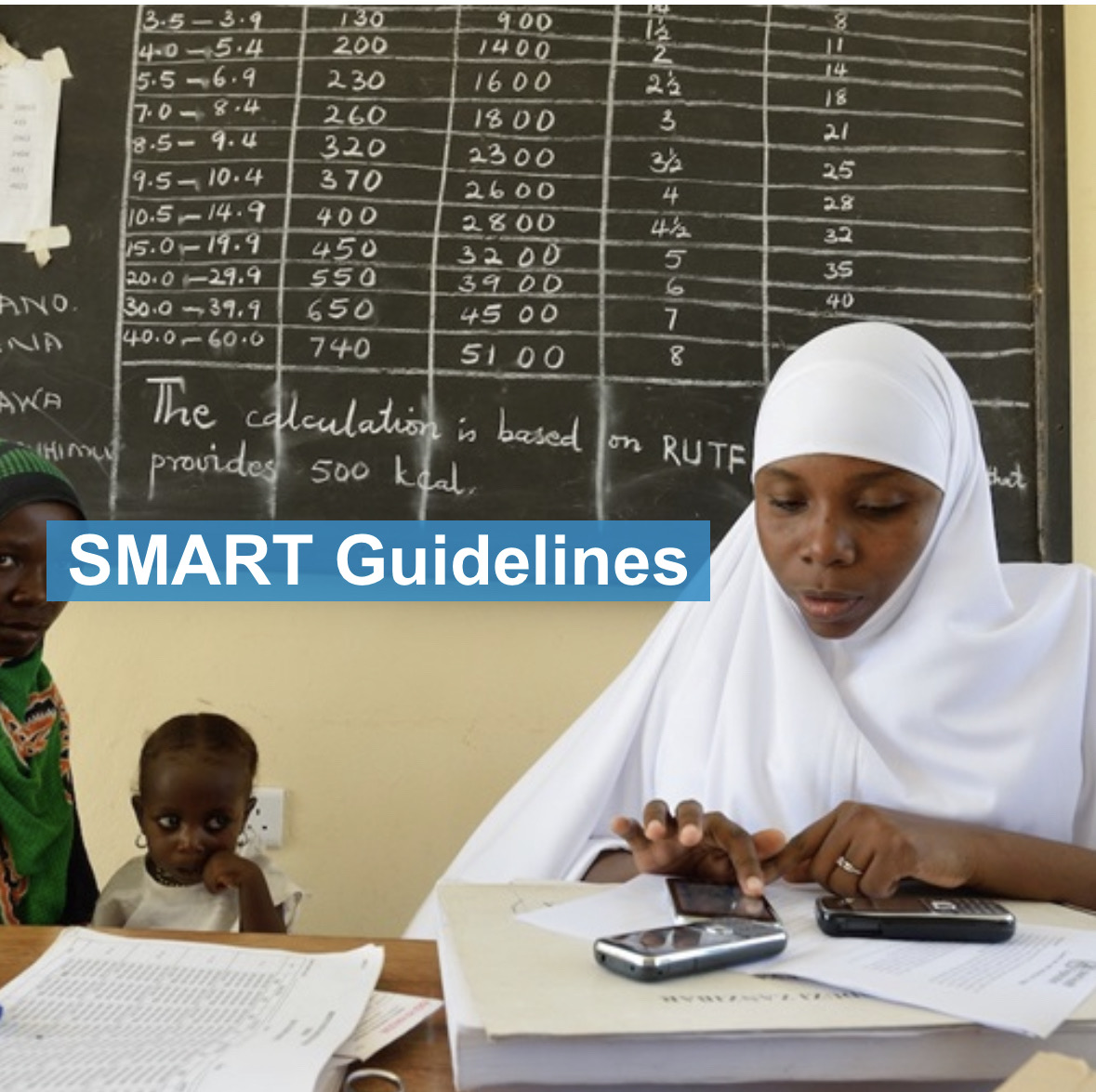
Country
Switzerland
Coverage
N/A
Nb of implementation sites
N/A
Lead organization
Implementation partners
N/A
Health Focus Area
Maternal and child health
Sexual and Reproductive Health
Emergencies
Communicable diseases
Vaccination / Immunization
Services
Decision Support
Learning and training
Enabling technologies
N/A
Standards
HL7 FHIR
ICD-10
Tools
Funding sources
N/A
Business model
N/A
Funders
Summary
The SMART Guidelines project is an initiative designed to standardize and accelerate the adoption of digital health practices globally. The guidelines are Standards-based, Machine-readable, Adaptive, Requirements-based, and Testable, providing a comprehensive set of digital health components. These guidelines simplify the adaptation and implementation process, ensuring fidelity and accelerating uptake by facilitating a systematic approach to integrating best clinical and data practices worldwide, even in regions that are not fully digital. This approach enhances healthcare outcomes through efficient technology deployment.
The primary objective of the SMART Guidelines project is to ensure adaptability, interoperability, and fidelity in diverse healthcare settings. The project is currently in the pilot/testing phase, focusing on a wide range of demographics, including adolescents (12 to 18), pregnant women, children (5 to 11), adults (18+), health professionals, and children under 5.
The intervention involves the use of HL7 FHIR and ICD-10 for decision support, learning, and training, covering areas such as sexual and reproductive health, emergencies, vaccination/immunization, communicable diseases, and maternal and child health.
One of the key outcomes includes the integration of new digital antenatal care tools using the WHO SMART guideline approach, with experiences from Rwanda and Zambia highlighting its effectiveness. The project is funded by the World Health Organization (WHO).
Keywords
Guideline
Clinical Decision Support Systems CDSS CoP
Publications
Integration of new digital antenatal care tools using the WHO SMART guideline approach: Experiences from Rwanda and ZambiaInsights - Lessons learnt
Challenges
N/A
Recommendations
N/A
Recommendations
Projects using similar services
Projects focusing on similar topics
Projects with similar insights
iDHA (Project ID)
u8es1o
Project links
https://www.who.int/teams/digital-health-and-innovation/smart-guidelinesOrigin of information
N/A
Data source link
N/AAdded to the platform on
2024-05-01
Project editors
Last update by
Sophie Delaigue on 2024-05-01
Number of views
128
WHO classifications

